
The Pen is Mightier than the Bulldozer
The Damaging Effects of Wetland Reclassification in South Florida
9/29/2025
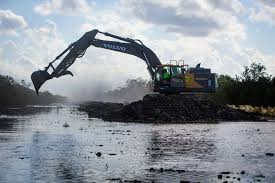
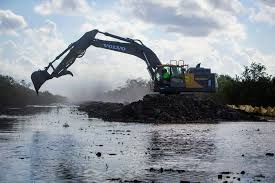
Wetlands are a crucial part of our environment because they filter water, hold floodwaters, recharge aquifers, and provide necessary habitats for fish and wildlife. In South Florida, they also form the core of the Everglades and support coastal resilience. However, recently, the reclassification of wetlands, along with changes in how they are legally defined, mapped, and permitted, has raised growing concerns. Although such policy changes are often described as efforts to streamline development or ease permitting, the ecological and social costs continue to mount.
Often, using narrower delineation criteria or different mitigation policies, reclassifying wetlands can remove legal protections from ecologically valuable areas. Wetlands that no longer “qualify” under revised definitions may be drained, filled, or built upon. This leads to the fragmentation of wildlife habitat, threatening species such as the wood stork, snail kite, and Florida panther. It also disrupts water flows that sustain the Everglades, reducing the effectiveness of multibillion-dollar restoration projects. Additionally, increased nutrient loading into waterways occurs as natural filtration areas disappear, fueling harmful algal blooms and degrading estuaries.
Accelerated saltwater intrusion into aquifers poses a significant threat to the drinking water supplies of millions. Recent updates to Florida’s mitigation rules provide developers with more flexibility in purchasing credits located far from the impact site. While this might streamline permitting, it often results in local wetland losses not being replaced in the same area. Communities are losing neighborhood wetlands essential for drainage, only to see mitigation funds spent in distant regions. This practice is occurring right under our noses. The disconnect reduces local environmental quality and undermines trust in the permitting process.
South Florida’s wetlands should not be considered obstacles to development; they are the foundation of the most vital kind. Every acre lost through reclassification weakens the region’s resilience, ecological diversity, and quality of life. Policymakers should approach reclassification with great care, ensuring that science and conservation, rather than short-term development pressures, inform their decisions. Stronger, not weaker, wetland protections are necessary if South Florida is to stay livable in the face of our rapid population growth.